
Newsletters & Publications
Patient Education
 |

LIVING WITH DIABETES
Balance your Blood Glucose with
Good Nutrition, Exercise, and Medication
What is diabetes?
Diabetes is a disorder of blood sugar regulation. In other words, your body does not produce any or enough (type 1) or properly use insulin (type 2) to effectively control your blood glucose level. Diabetes is a very common disease. In the United States alone, there are over 8 million people who are diagnosed with diabetes, and it is estimated that there are another 8 million undiagnosed diabetics. Currently, there is no cure; however, once you have been diagnosed, it is possible to control this disease and live a healthy life. First, take an active role in managing your diabetes by discussing your condition with your doctor, diabetes educator, or dietitian to develop a comprehensive treatment program you can live with. Diet, exercise, and drugs are three critical components of effectively treating diabetes.
|
Did you know… According to the National Institutes of Health, an average American with diabetes spends over $11,000 annually on diabetes treatment. |
Diet
In the past 100 years, dietary treatment for diabetes has changed greatly. For a long time the typical “diabetic diet” was very restrictive. But, because of new research findings, the American Diabetes Association has liberalized its guidelines. Now individuals are encouraged to follow a diet that can help them control their blood glucose and prevent long term complications of the disease. People with diabetes, especially newly diagnosed patients, are strongly encouraged to see a registered dietitian (R.D.) to help them develop an eating plan that fits their own individual needs. This diet will consist of a variety of foods found in the Food Guide Pyramid. Whole grain products from the bread group, and fruits and vegetables will make up the bulk of your meals. Fiber in these foods will delay your blood sugar from rising too quickly, as well as keeping the diet low-fat and nutrient rich. Foods from meat and dairy groups should also be included. People with diabetes usually are at higher risk for heart disease, thus a low-fat diet (30% of calories from fat) is very appropriate for diabetics. Moderate amounts of alcohol and sweets can occasionally be incorporated into your diet. Your dietitian can help in fitting these items into your dietary plan. Timing of meals is important in achieving proper blood sugar levels, therefore eat and take your medications at scheduled times.
Snacks
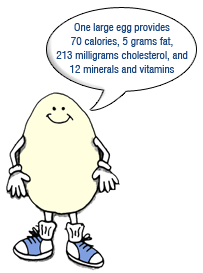
Some diabetics will eat smaller meals and frequent snacks instead of 3 full meals each day. This may help keep blood sugar levels from peaking too quickly. Snacks or meals made with eggs can easily satisfy your hunger without adversely increasing blood sugar levels. Also, eggs provide many important vitamins and minerals in varying amounts yet only contribute 70 calories per one large egg. Studies have shown that cholesterol in the egg yolk does not significantly increase blood cholesterol levels in the majority of people. However, if you have been advised to limit your dietary cholesterol by your doctor, you can still enjoy egg whites. Egg whites are cholesterol free.
| 5 Fast and Easy Egg Snacks | |
|
|
Hard-cooked eggs |


Exercise
Exercise is another important tool you can use to help control diabetes. Aerobic exercise such as walking, swimming, bicycling, etc. can help your body use insulin more effectively. In addition, exercise can lead to both weight loss and a reduction in body fat, two more ways to help your body effectively use insulin. Exercise can also result in decrease in your insulin and diabetes medication need. However, be sure to talk to your doctor before starting an exercise program, and never change your medicine on your own.
Drugs
Medical treatment of diabetics has also changed immensely due to new discoveries. New medications and improved insulin quality has greatly improved the ability of people to maintain good blood glucose control. Your doctor or diabetes educators can inform you further about your specific medical needs.
Long-term Complications
Blindness, kidney disease, nerve damage, amputation, heart disease, and stroke are examples of the many complications which can occur as a result of poor glucose control. The best way to avoid or delay these complications is to keep your blood glucose level as close to the goal you and your doctor previously set.
|
|
|
Signs of low blood sugar
|
|
Treat low blood sugar with
|