
Newsletters & Publications
Patient Education

Nutrition Tips for People Living With AIDS
Good nutrition is essential for people who have AIDS or are HIV-positive. Eating enough of the right types of foods may help prevent weight loss and fatigue, improve comfort and sense of well-being, and contribute to the quality of life. Timing is equally important. The sooner good nutrition begins, the better off people are, so forming good eating habits early may help you to feel better, look better, and stay healthier longer. A registered dietitian (RD) can be very helpful in teaching you how to make nutritious food choices.
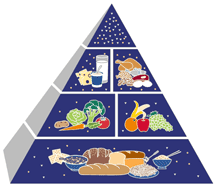
If you are living with AIDS, you are encouraged to eat a balanced diet high in protein and calories because your immune system needs both to work optimally. A balanced diet is based on a selection of foods from the USDA Food Guide Pyramid food groups. The Food Guide Pyramid helps one choose foods to eat each day. This insures that all of the essential nutrients needed are met to maintain health and weight. Nutrients that are important for health include water, protein, carbohydrates, fats, minerals, and vitamins. To prioritize the basic components of a healthful diet, eat the majority of your food from the pyramid sections with the largest surface area, from the bottom of the pyramid up.
The Food Guide Pyramid in conjunction with the following guidelines can help you pick healthful food choices.
General nutrition guidelines consist of:
- Eating a variety of foods from each of the Food Guide Pyramid food groups.
- Eating a variety of protein-rich foods and carbohydrate-rich foods at each meal.
- Eating small, frequent meals. Try to eat four or more times a day.
- Drinking adequate fluids. Drink at least eight 8-ounce glasses of water a day.
- Exercising 3 to 5 times a week for 20 minutes or longer.
Your particular nutritional needs will also depend on your current condition of health. Most people who are living with AIDS or are HIV-positive need extra protein and calories everyday. Protein can come from eggs, meat, fish, poultry, nuts, legumes, and dairy products. Eggs are a good source of protein and are a nutrient-rich food as they provide 13 different vitamins and minerals in varying amounts. In addition they are affordable, easy to prepare, and soft to chew.
Everyday you need to eat:
| Fat, Oil, and Sweets Group Use sparingly | ||
|
Milk, Yogurt, and Cheese Group 2-3 servings; 1 cup of milk is a serving
|
Bread, Cereal, Rice and Pasta Group |
Meat, Poultry, Fish, Eggs and Bean Group 2-3 servings; 2 to 3 ounces of cooked meat is a serving |
| Vegetable Group 3-5 servings; 1 cup of raw vegetables is a serving | Fruit Group 2-4 servings; 1 medium-sized apple is a serving |
|
DIETARY CHANGES FOR CONTROLLING PHYSICAL SYMPTOMS
WHEN TIRED
- Take advantage of the already pared meals and or frozen foods that are available at grocery stores.
- Accept offers of help with meal preparation from friends and family.
- Check into home food-delivery services that are available.
- Prepare extra portions when feeling well and freeze for later use when tired.
WHEN NAUSEATED
- Wait until feeling better to eat full meals. Eat frequent small meals rather than large ones.
- Sip cold beverages such as fruit juices, and eat fruit ices popsicles, or dry toast to calm your stomach.
- Choose bland foods such as soup with crackers or hard-cooked eggs with dry toast, or gelatin with fruit.
WHEN YOU HAVE DIARRHEA
- Drink plenty of fluids to replace lost fluids and minerals.
- Choose foods and drinks that contain little or no fat or lactose (milk sugar).
- Avoid foods that have a laxative effect such as prunes and prune juice. These foods could make diarrhea worse.
- Avoid greasy, spicy, or deep fried foods. These could increase diarrhea.
WHEN MOUTH AND THROAT ARE SORE

- Drink soothing beverages such as apple juice, and milk (if diarrhea is not a problem). Carbonated drinks or liquids containing salt, such as vegetable juice or broth may irritate the mouth. Highly acidic beverages such as orange juice may be painful. And, highly spiced foods may also be irritating to a sore mouth and throat.
- Soft, moist foods, such as scrambled eggs, canned fruit, macaroni and cheese and other casseroles are easy to swallow when mouth and throat are sore.
- Avoid sticky, hard-to-swallow foods such as peanut butter and dry abrasive foods that can cause mouth soreness.
IF SENSE OF TASTE CHANGES
- If certain types of meats become bitter, select protein alternatives such as cheese, eggs, poultry, tuna, peanut butter, yogurt, and tofu.
- Serve protein foods cold or at room temperature. Perishable foods should not be left out for more than two hours.
WAYS TO INCREASE PROTEIN AND CALORIES
- Add cheese to your meals. Add extra melted cheese, grated cheese, or sour cream to scrambled eggs and omelets, salads, soups, mashed potatoes, and pastas.
- Use heavy cream, whole milk, or evaporated whole milk instead of water when cooking.
- Make snacks out of high protein foods like pizza, custards and puddings, crackers and peanut butter, hard-cooked eggs, and milkshakes.
- Drink whole milk with all meals. Whole milk adds more protein and calories than coffee, tea, or water. Add powdered whole milk to regular whole milk to increase its food value.
- Blend finely chopped hard-cooked eggs into sauces, soups, and casseroles.
Food safety is important for all people, but especially critical for people with AIDS who have weakened immune systems. In order to minimize or even eliminate the possibility of contracting food-borne infections people living with AIDS need to learn how to shop, prepare, store, and cook food properly. When in doubt, throw it out! For more food safety food tips see your doctor or dietitian.